Why we stayed small: a note from the bench
1 July 2026
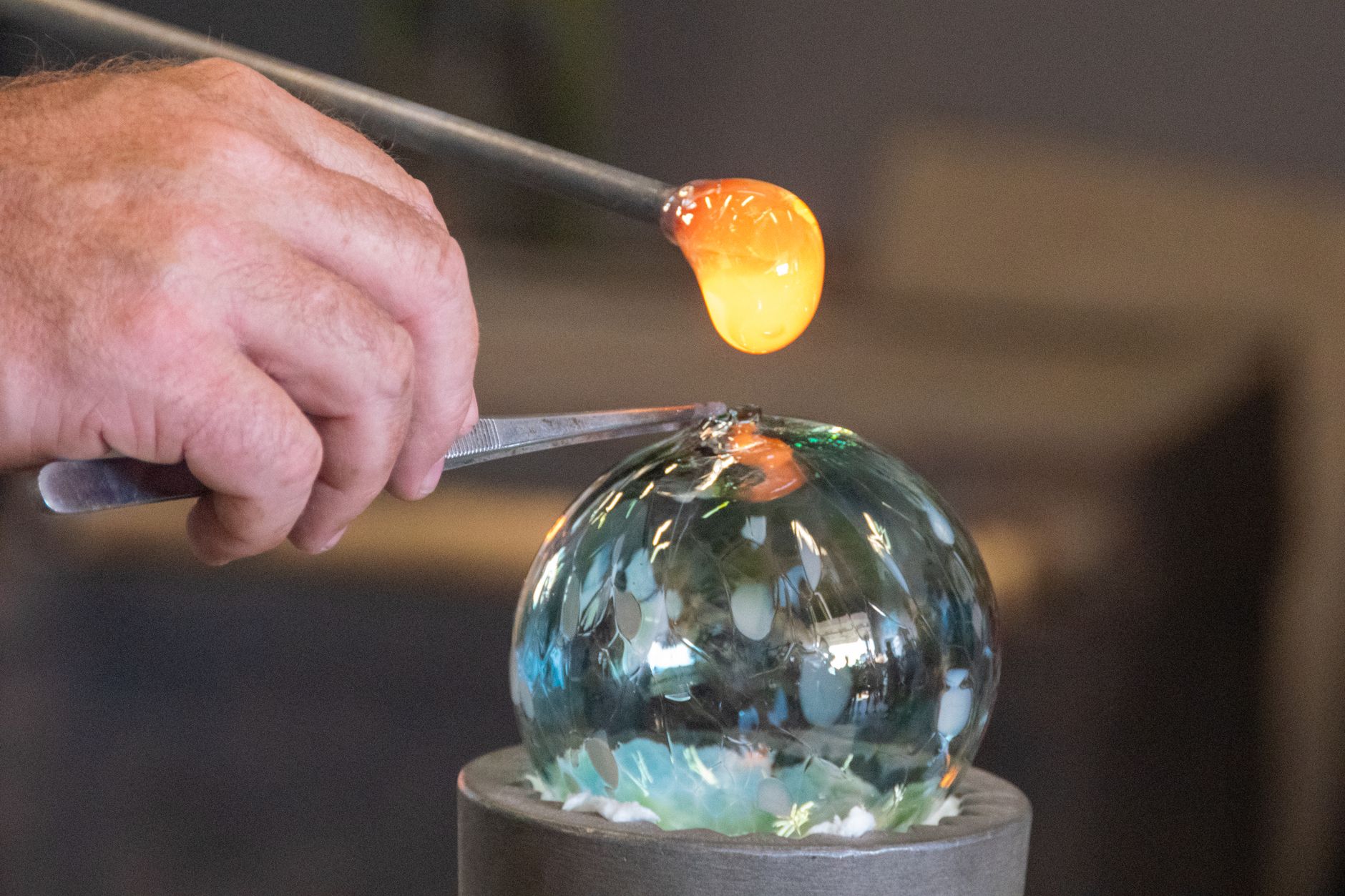
Every year or so someone sensible — an accountant, a friend with a spreadsheet — suggests we scale up. Take on an assistant, buy a second kiln, standardise a product line. And every year we think about it seriously for about a week, then go back to work.
What a second kiln actually costs
It isn't the money. A second kiln means firing schedules chosen for throughput instead of for the piece in front of you. It means saying yes to work that fills capacity rather than work that deserves the bench. Within a year the schedule owns the studio instead of the other way round. We've watched it happen to workshops we admire — good ones — and the work always tells on them.
What staying small buys
It buys the memorial commission that needed a fortnight's pause in the middle because the family wasn't ready. It buys firing 23 test tiles for a hotel screen because the twenty-fourth schedule was the right one. It buys workshop sessions capped at six people, where the woman at the end bench can take three hours over a piece that matters and nobody hurries her.
It also buys honesty in the order book. When you're the only pair of hands, you can't hide behind "the workshop is busy" — if a commission will take six weeks, that's what we say, and the six weeks are real ones, spent on your piece.
The stag on the door
The iron stag that gives the studio its name was a rusted garden ornament rescued from a Leith skip the month the first kiln arrived. It's still by the door. It cost nothing, it does nothing, and visitors ask about it more than anything else in the building. That's roughly the business philosophy: keep the thing that has no justification except that it's right.
We're not against growing. We're against growing past the point where one person can honestly sign every piece. So far, that point and one bench are the same size.